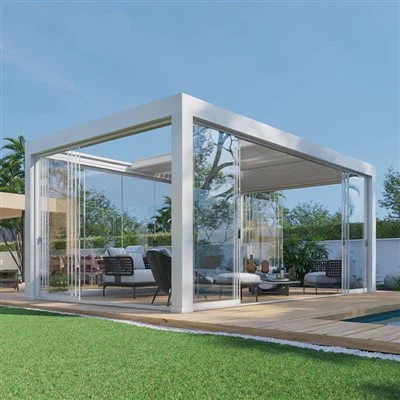

When it comes to awnings, one of the most frequently asked questions is, "What materials are awnings made of?" As a professional awning supplier, I'm here to shed light on this topic and explore the various materials used in awning construction.
1. Fabric Awnings
Fabric is one of the most popular materials for awnings, and for good reason. It offers a wide range of colors, patterns, and styles, making it easy to find an awning that complements your home or business.
Acrylic Fabric
Acrylic fabric is a top choice for awnings due to its durability and resistance to fading. It is treated with special UV inhibitors to protect it from the sun's harmful rays, ensuring that it maintains its color and integrity for years to come. Acrylic awnings are also water - resistant, making them suitable for both sunny and rainy days. They are relatively lightweight, which makes installation and maintenance easier. Many residential and commercial customers prefer acrylic fabric awnings for their outdoor patios, decks, and storefronts.


Polyester Fabric
Polyester fabric is another common material used in awning construction. It is known for its strength and affordability. Polyester awnings can withstand harsh weather conditions, including strong winds and heavy rain. However, compared to acrylic, polyester may fade more quickly over time. To enhance its durability, some polyester awnings are coated with a protective layer. These awnings are often used in areas where cost - effectiveness is a major consideration, such as in large commercial projects or for temporary installations.
2. Metal Awnings
Metal awnings are known for their strength and durability. They can provide long - lasting protection against the elements and add a modern, industrial look to a building.
Aluminum
Aluminum is a popular choice for metal awnings. It is lightweight, corrosion - resistant, and easy to work with. Aluminum awnings can be powder - coated in a variety of colors to match the exterior of your building. They are also relatively low - maintenance, requiring only occasional cleaning to keep them looking their best. If you're interested in an aluminum awning, check out our Garden Folding Aluminum Awning. This type of awning is perfect for gardens and outdoor spaces, offering both functionality and style.
Steel
Steel awnings are extremely strong and can withstand heavy loads. They are often used in commercial buildings or in areas with high wind and snow loads. However, steel is prone to rust if not properly treated. To prevent rust, steel awnings are usually galvanized or painted. While steel awnings may be more expensive than aluminum awnings, their durability makes them a worthwhile investment in the long run.
3. Polycarbonate Awnings
Polycarbonate is a transparent or translucent thermoplastic material that is commonly used in awning construction.
UV - Resistant Polycarbonate
UV - resistant polycarbonate awnings are designed to block harmful UV rays while allowing natural light to pass through. They are ideal for areas where you want to enjoy the outdoors without being exposed to the sun's full intensity. These awnings are also impact - resistant, making them suitable for areas prone to hail or other debris. Our UV - Resistant Polycarbonate Canopy is a great option for those looking for a durable and functional awning that provides excellent UV protection.
4. Wood Awnings
Wood awnings add a warm and natural look to any outdoor space. They are often used in traditional or rustic settings.
Cedar
Cedar is a popular choice for wood awnings because of its natural resistance to decay and insects. It has a beautiful grain pattern and can be stained or painted to match the surrounding environment. Cedar awnings require regular maintenance, such as sealing and staining, to keep them in good condition. However, the effort is worth it for the aesthetic appeal they bring to a property.
Teak
Teak is another high - quality wood used in awning construction. It is extremely durable and resistant to rot, making it suitable for outdoor use. Teak awnings have a rich, golden - brown color that ages gracefully over time. They are more expensive than cedar awnings but offer a luxurious and timeless look.
5. Motorized and Powered Awnings
In addition to the material, the type of awning operation can also be an important consideration. Motorized or powered awnings offer convenience and ease of use.
Powered Awning for Patio
Powered awnings are controlled by a motor, which allows you to open and close the awning with the push of a button. This is especially useful for large awnings or for those who have difficulty manually operating their awnings. Our Powered Awning for Patio is a great option for homeowners who want to enhance their outdoor living experience. It provides shade and protection at the touch of a button, making it perfect for entertaining guests or relaxing on a sunny day.
Conclusion
In conclusion, there are many materials available for awnings, each with its own advantages and disadvantages. When choosing an awning, it's important to consider your specific needs, such as the level of protection required, the aesthetic appeal, and the budget. As an awning supplier, we can help you select the right material and style for your project. Whether you're looking for a fabric awning for your patio, a metal awning for your commercial building, or a polycarbonate awning for your garden, we have the expertise and products to meet your needs.
If you're interested in purchasing an awning or have any questions about our products, please don't hesitate to contact us. We're here to assist you in making the best decision for your outdoor space.
References
- "Awnings: A Comprehensive Guide" - Published by a leading industry magazine.
- Manufacturer's specifications for various awning materials.