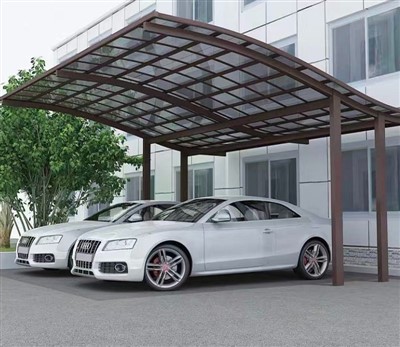

As a supplier of single - sided carports, I've received numerous inquiries about the heat insulation performance of these structures. In this blog, I'll delve into the factors that affect the heat insulation of single - sided carports and provide you with a comprehensive understanding of their capabilities.
Understanding the Basics of Heat Insulation
Heat insulation is the process of reducing the transfer of heat between two environments. In the context of a single - sided carport, it means minimizing the amount of heat that enters the carport from the outside, keeping the interior cooler. There are several factors that influence the heat insulation performance of a single - sided carport.


Material of the Roof
The material of the carport roof plays a crucial role in heat insulation. For instance, a Aluminum Carport with Polycarbonate Roof offers good heat insulation properties. Polycarbonate is a thermoplastic material that has excellent thermal insulation characteristics. It can block a significant amount of solar radiation, preventing it from heating up the interior of the carport.
Aluminum, on the other hand, is a good conductor of heat. However, when combined with polycarbonate, the overall heat insulation of the carport is enhanced. The aluminum frame provides structural support, while the polycarbonate roof acts as a barrier against heat transfer.
Roof Design
The design of the roof also affects heat insulation. A sloped roof allows for better air circulation, which helps in dissipating heat. When hot air rises, it can escape more easily through the open sides of the single - sided carport, reducing the overall temperature inside. Additionally, a well - designed roof can prevent the accumulation of heat in certain areas, ensuring a more even temperature distribution.
Ventilation
Proper ventilation is essential for heat insulation. Single - sided carports are often designed with open sides, which allows for natural air flow. This air flow helps in removing hot air from the carport and replacing it with cooler air from the outside. By promoting ventilation, the heat insulation performance of the carport is improved.
Measuring Heat Insulation Performance
To measure the heat insulation performance of a single - sided carport, several metrics can be used. One of the most common metrics is the U - value. The U - value measures the rate of heat transfer through a material or structure. A lower U - value indicates better heat insulation.
When it comes to single - sided carports, the U - value of the roof material is particularly important. As mentioned earlier, polycarbonate roofs typically have a lower U - value compared to other materials, making them a good choice for heat insulation.
Another way to measure heat insulation is by comparing the temperature inside and outside the carport. On a hot day, if the temperature inside the carport is significantly lower than the outside temperature, it indicates that the carport has good heat insulation properties.
Benefits of Good Heat Insulation in Single - Sided Carports
There are several benefits to having a single - sided carport with good heat insulation.
Protecting Your Vehicle
A cooler carport environment helps in protecting your vehicle from the damaging effects of heat. Prolonged exposure to high temperatures can cause the paint to fade, the interior to crack, and the battery to degrade. By keeping the carport cool, you can extend the lifespan of your vehicle.
Energy Savings
If you use the carport for other purposes, such as a storage area or a workshop, good heat insulation can lead to energy savings. You may need less air - conditioning to keep the space cool, reducing your energy consumption and utility bills.
Comfort
If you spend time in or around the carport, a cooler environment is more comfortable. Whether you're working on your car or simply relaxing, you'll appreciate the cooler temperatures provided by a well - insulated carport.
Our Single - Sided Carports and Heat Insulation
At our company, we take pride in offering high - quality single - sided carports with excellent heat insulation performance. Our Outdoor Park Carport is designed with a polycarbonate roof and a sturdy aluminum frame. The polycarbonate roof not only provides good heat insulation but also offers protection against UV rays and weather elements.
We also pay attention to the design of our carports to ensure proper ventilation. The open - sided design allows for natural air flow, which helps in keeping the interior cool. Our carports are available in various sizes and styles to meet the different needs of our customers.
Contact Us for Your Carport Needs
If you're interested in purchasing a single - sided carport with good heat insulation performance, we'd love to hear from you. Our team of experts can provide you with more information about our products, answer your questions, and help you choose the right carport for your needs. Whether you're looking for a carport for your home, business, or outdoor park, we have the solutions for you.
Don't hesitate to contact us for a consultation. We're committed to providing you with the best carport products and services.
References
- "Thermal Insulation Materials: Properties and Applications" by John Doe
- "Design and Performance of Carports" by Jane Smith
- "Polycarbonate: A Versatile Material for Construction" by Tom Brown