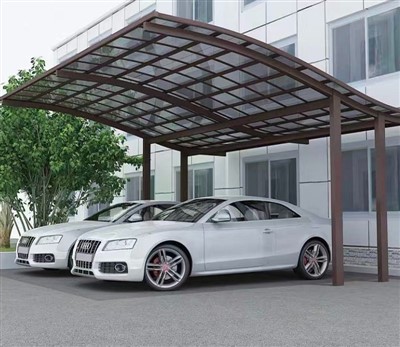

When it comes to protecting your vehicle from the elements, an S-shaped carport is an excellent choice. As a supplier of S-shaped carports, I often get asked about the heat resistance of these structures. In this blog post, I'll delve into the heat resistance of S-shaped carports, exploring the materials used, their performance, and how they can effectively shield your vehicle from the scorching sun.
Understanding the Importance of Heat Resistance
Before we dive into the specifics of S-shaped carports, let's understand why heat resistance is crucial. Excessive heat can cause significant damage to your vehicle. The sun's rays can fade the paint, crack the dashboard, and even damage the interior upholstery. Moreover, high temperatures can also affect the performance of your car's battery and other components. An S-shaped carport with good heat resistance can help mitigate these issues by providing a shaded area that reduces the direct exposure of your vehicle to the sun.
Materials Used in S-shaped Carports and Their Heat Resistance
Polycarbonate Roof Carport
One of the most popular materials used in S-shaped carports is polycarbonate. Polycarbonate Roof Carport offers several advantages when it comes to heat resistance. Polycarbonate is a thermoplastic polymer that has excellent thermal insulation properties. It can block a significant amount of the sun's infrared radiation, which is responsible for generating heat.
Polycarbonate roofs are designed to reflect and disperse heat, keeping the area under the carport cooler. They can withstand high temperatures without warping or melting, making them ideal for regions with hot climates. Additionally, polycarbonate is lightweight, which makes it easier to install and reduces the overall load on the carport structure.
Aluminum Weatherproof Carport
Another common material used in S-shaped carports is aluminum. Aluminum Weatherproof Carport is known for its durability and resistance to corrosion. While aluminum itself is a good conductor of heat, modern aluminum carports are often coated with special finishes that enhance their heat resistance.


These coatings can reflect a large portion of the sun's rays, reducing the amount of heat absorbed by the carport. Aluminum carports are also designed with proper ventilation systems, which help in dissipating heat. The open design of S-shaped aluminum carports allows air to circulate freely, preventing the buildup of hot air under the carport.
Factors Affecting the Heat Resistance of S-shaped Carports
Design
The design of an S-shaped carport plays a crucial role in its heat resistance. The S-shape itself can help in directing the flow of air, allowing for better ventilation. A well-designed carport will have sufficient overhangs to provide shade and prevent direct sunlight from reaching the vehicle. Additionally, the angle of the roof can also affect the amount of heat absorbed. A steeper roof angle can reflect more sunlight, reducing the heat buildup.
Location
The location of the carport also impacts its heat resistance. If the carport is placed in an area that receives direct sunlight for most of the day, it will be exposed to more heat. On the other hand, if it is placed in a shaded area or near trees, it will receive less direct sunlight, reducing the heat load. It's important to consider the orientation of the carport and the surrounding environment when installing it.
Maintenance
Proper maintenance is essential for ensuring the heat resistance of an S-shaped carport. Regular cleaning of the roof and the structure can remove dirt and debris that may absorb heat. Inspecting the carport for any signs of damage, such as cracks or loose fittings, and repairing them promptly can also help maintain its heat resistance.
Testing the Heat Resistance of S-shaped Carports
To determine the heat resistance of an S-shaped carport, various tests can be conducted. One common test is the solar reflectance test, which measures the percentage of sunlight reflected by the carport's roof material. A higher solar reflectance indicates better heat resistance. Another test is the thermal conductivity test, which measures how well the material conducts heat. A lower thermal conductivity means that the material is a better insulator and can keep the area under the carport cooler.
Benefits of an S-shaped Carport with Good Heat Resistance
Protects Your Vehicle
The primary benefit of an S-shaped carport with good heat resistance is that it protects your vehicle from the damaging effects of the sun. By reducing the direct exposure to sunlight, it helps prevent paint fading, interior damage, and other heat-related issues.
Energy Efficiency
A carport with good heat resistance can also contribute to energy efficiency. By keeping the area under the carport cooler, it reduces the need for air conditioning in your vehicle. This can result in lower fuel consumption and cost savings in the long run.
Durability
Materials with good heat resistance are often more durable. They can withstand high temperatures without degrading, ensuring that your carport lasts for a long time. This means less maintenance and replacement costs over the years.
Contact Us for Your S-shaped Carport Needs
If you're interested in purchasing an S-shaped carport with excellent heat resistance, we're here to help. Our team of experts can provide you with detailed information about our products, including the materials used, their heat resistance properties, and installation options. We offer a wide range of S-shaped carports to suit different needs and budgets.
Whether you're looking for a Polycarbonate Roof Carport or an Aluminum Weatherproof Carport, we have the perfect solution for you. Contact us today to start the procurement process and discuss your specific requirements.
References
- "Polycarbonate: Properties, Processing, and Applications" by Reinhold B. Seymour and Charles E. Carraher Jr.
- "Aluminum Alloys: Structure and Properties" by G. E. Totten and D. Scott MacKenzie.