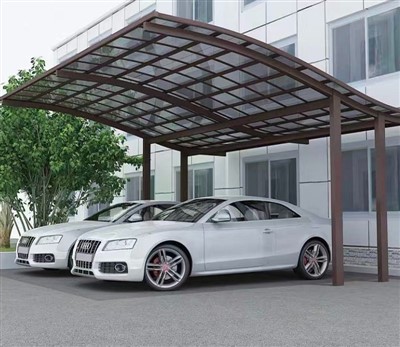

In the world of architectural and outdoor solutions, polycarbonate canopy roofs have emerged as a versatile and popular choice. As a supplier of Polycarbonate Canopy Roof, I've witnessed firsthand the remarkable flexibility these structures offer. This blog aims to explore the various aspects of the flexibility of polycarbonate canopy roofs, from their design and installation to their practical applications.
Design Flexibility
One of the most significant advantages of polycarbonate canopy roofs is their design flexibility. Polycarbonate is a thermoplastic material that can be easily molded into various shapes and sizes. This means that architects and designers have a wide range of options when it comes to creating unique and customized canopy roof designs.
Whether you're looking for a simple, straight - line design for a residential porch or a complex, curved structure for a commercial building, polycarbonate can be shaped to meet your needs. For instance, you can create a Polycarbonate Porch Canopy with a gentle slope to allow for proper water drainage, or a more elaborate design with multiple curves and angles to add a touch of elegance to your outdoor space.
The material also comes in different colors and finishes. You can choose from clear polycarbonate for maximum sunlight penetration, or opt for tinted or opaque options to provide privacy and reduce glare. This color and finish flexibility allows you to match the canopy roof with the existing architecture of your building or create a bold statement.
Installation Flexibility
Polycarbonate canopy roofs are relatively easy to install, which adds to their overall flexibility. Unlike traditional roofing materials such as metal or tile, polycarbonate panels are lightweight, making them easier to handle and transport. This means that installation can be completed more quickly and with less labor, reducing both time and cost.
The panels can be installed in a variety of ways, depending on the specific requirements of the project. They can be attached to a metal or wooden frame using screws or clips, or they can be integrated into a more complex support structure. This flexibility in installation methods allows for adaptation to different building types and site conditions.
For example, if you're installing a Storefront Rain Shelter, you can choose a surface - mounted installation for a quick and easy setup, or a more permanent and secure installation that is integrated into the building's structure.
Environmental Flexibility
Polycarbonate canopy roofs are also highly adaptable to different environmental conditions. They have excellent weather resistance, which means they can withstand extreme temperatures, strong winds, and heavy rainfall.
In cold climates, polycarbonate panels have good insulation properties, helping to keep the area under the canopy warm. They can also resist snow loads without cracking or breaking. In hot climates, the panels can reflect a significant amount of sunlight, reducing the heat gain inside the covered area.
Moreover, polycarbonate is a durable material that is resistant to UV radiation. This means that it won't yellow or become brittle over time, ensuring that the canopy roof maintains its appearance and structural integrity for many years.
Application Flexibility
The flexibility of polycarbonate canopy roofs extends to their wide range of applications. They can be used in both residential and commercial settings.
In residential applications, polycarbonate canopy roofs are commonly used for porches, patios, and carports. They provide a sheltered area for outdoor activities, such as dining, relaxing, or protecting your vehicle from the elements. A Polycarbonate Canopy Roof can transform an ordinary backyard into a functional and inviting outdoor living space.


In commercial applications, polycarbonate canopy roofs are used for storefronts, entrances, and walkways. They can enhance the curb appeal of a business while providing protection for customers and employees from the rain and sun. They are also used in industrial settings, such as warehouses and factories, to cover loading docks and other outdoor areas.
Cost - effectiveness and Flexibility
The cost - effectiveness of polycarbonate canopy roofs is another aspect of their flexibility. Compared to other roofing materials, polycarbonate is relatively inexpensive. This makes it an attractive option for both small - scale residential projects and large - scale commercial developments.
The lower cost also allows for more experimentation with different designs and applications. You can afford to take risks and try out new ideas without breaking the bank. Additionally, the long - term maintenance costs of polycarbonate canopy roofs are relatively low, as they require minimal upkeep and have a long lifespan.
Conclusion
In conclusion, the flexibility of polycarbonate canopy roofs is truly remarkable. From their design and installation to their environmental adaptability and wide range of applications, they offer a solution that can meet the diverse needs of different customers.
If you're considering a canopy roof for your project, whether it's a residential porch, a commercial storefront, or an industrial loading dock, polycarbonate is an excellent choice. As a supplier of Polycarbonate Canopy Roof, I'm here to assist you in finding the perfect solution for your specific requirements. Contact us to discuss your project and explore the possibilities of using polycarbonate canopy roofs. We look forward to working with you to create a functional and aesthetically pleasing outdoor space.
References
- "Polycarbonate: Properties and Applications" - A technical guide on polycarbonate materials.
- "Roofing Materials Comparison" - A study comparing different roofing materials, including polycarbonate.
- "Outdoor Canopy Design Trends" - An article discussing the latest trends in outdoor canopy design.