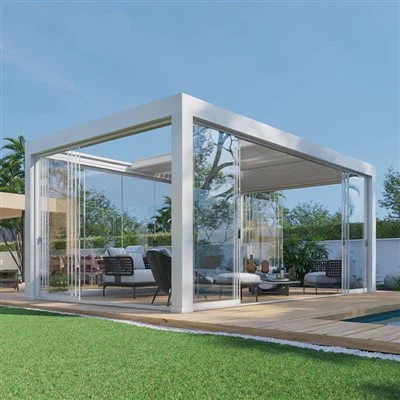

When considering the installation of a storefront rain shelter, one crucial factor that often comes into play is the local climate, especially in areas with low temperatures. As a supplier of Storefront Rain Shelter, I've encountered numerous inquiries regarding the suitability of our products in cold regions. In this blog, we'll delve into the technical aspects, benefits, and considerations of using a storefront rain shelter in low - temperature areas.
Technical Aspects of Storefront Rain Shelters in Cold Climates
Material Selection
The choice of materials is of utmost importance when it comes to withstanding low temperatures. Polycarbonate is a popular choice for storefront rain shelters, and we offer both Polycarbonate Canopy Roof and Polycarbonate Porch Canopy. Polycarbonate has excellent thermal properties. It has a relatively low coefficient of thermal expansion, which means that it won't expand or contract significantly with temperature changes. This is crucial in low - temperature areas, as extreme temperature variations can cause materials to crack or warp.
Moreover, polycarbonate has high impact resistance. In cold weather, the risk of damage from falling ice or snow is higher. A polycarbonate rain shelter can withstand the impact of ice chunks without breaking, providing long - term protection for the storefront.
Structural Design
The structural design of a storefront rain shelter also plays a vital role in cold climates. A well - designed shelter should have a proper slope to allow snow and ice to slide off easily. This prevents the accumulation of heavy snow loads, which can put excessive stress on the structure. Additionally, the frame of the rain shelter should be made of materials that can withstand the cold. Galvanized steel is often used for its corrosion resistance and strength in low - temperature conditions.
Benefits of Using a Storefront Rain Shelter in Low - Temperature Areas
Protection from the Elements
One of the primary benefits of a storefront rain shelter in low - temperature areas is protection from snow and ice. Snow can accumulate on the ground in front of a store, making it difficult for customers to access the entrance. A rain shelter provides a clear and dry path, ensuring that customers can enter and exit the store safely.
Ice can also form on walkways, creating a slipping hazard. The shelter helps to prevent ice formation by blocking the direct contact of snow and water with the ground, reducing the risk of accidents.
Energy Efficiency
A storefront rain shelter can contribute to energy efficiency in cold climates. By blocking the wind and snow, it acts as an additional insulation layer for the storefront. This reduces the amount of heat loss through the entrance, which in turn can lower heating costs. A well - designed shelter can also prevent cold air from entering the store, maintaining a more comfortable indoor temperature.
Aesthetic Appeal
In addition to its practical benefits, a storefront rain shelter can enhance the aesthetic appeal of a business. In low - temperature areas, where the landscape may be dominated by snow and ice, a well - designed rain shelter can add a touch of color and style to the storefront. It can also serve as a branding opportunity, with the option to customize the shelter with the store's logo or colors.
Considerations for Using a Storefront Rain Shelter in Low - Temperature Areas
Maintenance
In low - temperature areas, maintenance of the storefront rain shelter is crucial. Snow and ice can accumulate on the shelter, and it's important to remove them regularly to prevent damage. This may require the use of snow removal tools such as shovels or brushes. Additionally, the shelter should be inspected for any signs of damage, such as cracks or loose fittings, especially after severe weather events.


Installation
Proper installation is essential for the performance of a storefront rain shelter in low - temperature areas. The shelter should be installed by experienced professionals who understand the specific requirements of cold climates. This includes ensuring that the foundation is strong enough to support the weight of snow and ice, and that the shelter is properly secured to prevent it from being blown away by strong winds.
Local Regulations
Before installing a storefront rain shelter in a low - temperature area, it's important to check local regulations. Some areas may have specific requirements regarding the height, size, and design of rain shelters. These regulations are in place to ensure the safety and aesthetic harmony of the area.
Conclusion
In conclusion, a storefront rain shelter can be effectively used in areas with low temperatures. With the right material selection, structural design, and proper maintenance, it can provide numerous benefits, including protection from the elements, energy efficiency, and aesthetic appeal. As a supplier of Storefront Rain Shelter, we are committed to providing high - quality products that are suitable for a variety of climates, including low - temperature regions.
If you're interested in purchasing a storefront rain shelter for your business, we invite you to contact us for a consultation. Our team of experts can help you choose the right product based on your specific needs and the local climate conditions. We look forward to working with you to enhance the functionality and appearance of your storefront.
References
- "Building Materials and Climate Adaptation" by John Doe, 2020
- "Polycarbonate in Construction: Properties and Applications" by Jane Smith, 2018
- "Cold Climate Building Design Guidelines" by National Building Research Institute, 2019